Attribution Beyond Last-Click
The last click gets all the credit and did almost none of the work. In real estate and lending, the click that closes is the last page of a story that started months and many touches earlier. Here is why last-click misreads the whole journey, and what it costs you to believe it.
The last click gets all the credit and did almost none of the work.
In real estate and lending, the click that closes a sale is the last page of a story that started months and many touches earlier. Crediting it for the whole thing is one of the most expensive mistakes an account can quietly make, because last-click attribution feels precise while pointing you in exactly the wrong direction. It does not look like a mistake. It looks like a clean, confident report, which is what makes it dangerous.
The last-click default, and why it’s easy
Most simple setups credit whatever touch happened right before the conversion. Google can report it out of the box, it requires no judgment, and it produces a single clean number.
It is also almost always the wrong story. Easy to measure and true are different properties, and last-click optimizes for the first one. The number looks authoritative precisely because it is simple, and simple is exactly what a busy operator wants to believe. A confident wrong answer costs more than an obviously uncertain one, because you act on it. You do not double-check a report that looks tidy. You reallocate budget behind it, and the tidiness is what talks you into the mistake.
A worked example: the sale that took four months
Picture one real buyer, because the abstraction hides how ordinary this is.
In March, they see a Meta ad about a neighborhood they had not considered. They do not click to fill out anything. They just now know your name. In April, they read two articles on your site after a friend mentioned you. In May, they get a piece of mail and a retargeting ad that keeps you in the back of their mind. In June, they are finally ready, so they open Google and type your business name directly, click the top result, and book a call. In July, they close.
Ask last-click who won that deal and it answers, with total confidence, “the branded Google search in June.” Everything before June gets a zero. The Meta ad that put you on the map, the content that built trust, the mail and retargeting that kept you alive through the wait, all of it scored nothing, because none of it was the final click. The one touch that did the least original work took all of the credit, and the touches that created the customer were told they were worthless.
The final click is a confirmation, not a cause
That June search is not the cause of the sale. It is the buyer confirming a decision they had already mostly made.
In a months-long, high-consideration purchase, the last touch is usually a branded search or a direct visit, which means the person already knew who you were. They typed your name. You do not type a name you have never heard. Crediting that click is like handing the closer the entire commission and ignoring the eight months of nurture that set the table. The closer mattered. They did not do all the work, and paying as if they did will teach you to hire nothing but closers and then wonder why the pipeline slowly runs dry.
Every channel tells a story where it was the hero
Point your attribution at the last click and you have picked one narrator and decided to believe them.
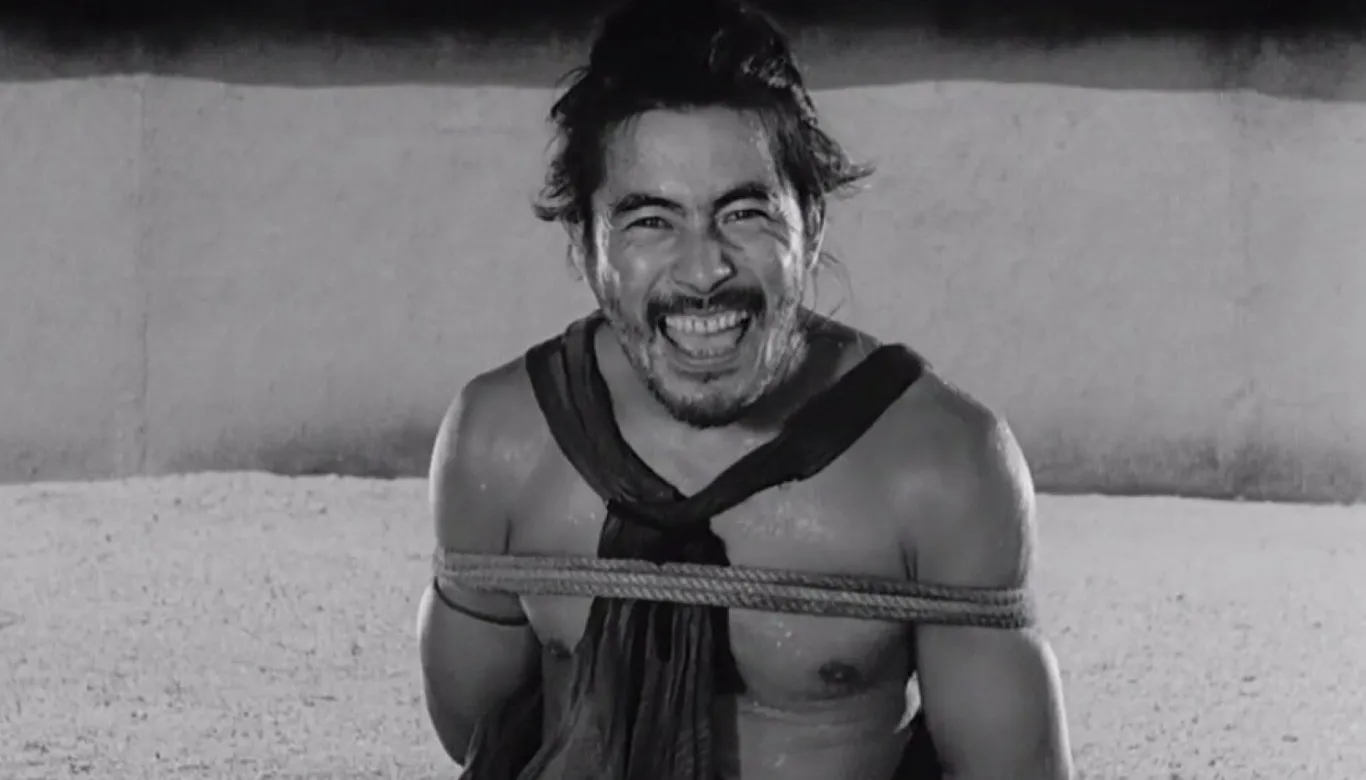
This is the Rashomon problem of marketing. Every touch in the journey has a version of events where it was the decisive one, and each version is sincere. The awareness ad says it started everything. The content says it built the trust. The retargeting says it kept the deal alive. The branded search says it closed. They cannot all have been decisive, and yet none of them is lying, because each really did contribute. Last-click does not resolve this. It just trusts whichever witness spoke last, which is rarely the one who did the convincing. The honest read is the whole sequence, not the loudest voice at the end of it.
What we do instead
We look at the path, not the last hop. We credit the touches that actually created and moved the demand, and we tie the result back to the real outcome recorded in the CRM rather than the platform’s own self-graded conversion.
In practice that means asking a different question than last-click asks. Not “what was the final touch,” but “what keeps showing up in the journeys that end in a real closing.” A channel that appears early, again and again, in the paths that convert is doing work, even when it never gets the last click. A channel that only ever shows up at the very end is often just taking credit for demand that something else created. You are looking for patterns across many real journeys, tied to real outcomes, instead of reading one Google column and believing it.
I will leave the model there, on purpose. The point is not a particular attribution technique, and I am not going to hand over the recipe. The point is the unit of analysis. It is the journey, not the click, and the scorekeeper is the business’s own record of what closed, not Google grading its own homework. Those last two things, the platform crediting itself and the last click taking the win, are really the same error wearing two costumes. Both let the measurement flatter whoever showed up at the finish line.
Perfect attribution does not exist
I want to be honest about the ceiling here, because the other extreme is its own trap. There is no clean, provable answer to exactly which touch deserves which fraction of the credit. There never will be.
A precise-looking fractional model, the kind that assigns 22 percent here and 18 percent there, is often just a confident guess in a nicer chart. It can be as misleading as last-click, because the false precision makes people trust it more than they should. The goal is not to manufacture a perfect number. The goal is more modest and more useful: do not be fooled by the last click into starving the things that quietly do the work. You do not need perfect attribution to avoid an obviously wrong one. You just need to stop believing the tidiest lie in the room.
But if you can’t measure it exactly, can you cut anything?
This is the fair objection, and it is the one that keeps people clinging to last-click. If awareness cannot be cleanly credited, does it get a free pass forever, immune from scrutiny because it is conveniently unmeasurable? No. Giving up on false precision is not the same as giving up on accountability.
You still make cuts. You just make them on better evidence than the last-click column. You treat demand creation as a portfolio and judge it on whether the whole pipeline is growing, not on whether each awareness ad produced a same-week conversion. When you suspect something is not pulling its weight, you can turn it off and watch what happens to the branded searches, the direct traffic, and the qualified leads over the following weeks, instead of trusting a Google report that was never going to credit it anyway.
The discipline is not “spend on everything and never ask a question.” The discipline is refusing to let a broken measurement make the decision for you. Last-click will happily tell you to cut the exact thing creating your demand. Judgment, plus the business’s real outcomes, will not. I would rather decide slowly with the right frame than quickly with the wrong one, because the quick wrong decision is the one that hollows out the account while the dashboard still looks fine.
The real cost of getting it wrong
Here is how last-click actually hurts you, in order, because it is worth watching the whole sequence play out.
First, awareness never gets credit under last-click attribution, so it looks like your worst-performing spend. Second, you cut it, because cutting your worst performer feels like discipline. Third, for a month or two nothing seems to break, and you congratulate yourself on the savings. Then the branded Google searches thin out, the direct visits slow, and the cheap, easy last-click conversions you were so proud of start drying up too, because there is no longer anything upstream creating the demand they were harvesting. You cut the cause because you only ever measured the effect, and the effect kept looking fine right up until the day it did not. By the time the damage shows up in the numbers you trust, it has been building for months in the numbers you ignored.
The last click is where the sale finished, not where it was won. Credit the work, not the finish line, and you stop defunding the exact things that fill the pipeline you are trying to grow.